


Optimizing Bet Frequency in Gambling
In the dynamic world of gambling, understanding bet frequency can significantly influence your overall success and enjoyment. Whether you’re a novice or seasoned player, knowing how often to place bets is crucial for managing risks and maximizing potential returns. This article delves into the concept of bet frequency, offering practical advice to help you make […]
This guide provides a comprehensive approach to resolving common login challenges faced by users.
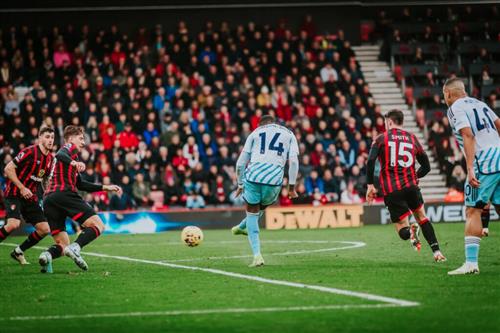
In the dynamic world of gambling, understanding bet frequency can significantly influence your overall success and enjoyment. Whether you’re a novice or seasoned player, knowing how often to place bets is crucial for managing risks and maximizing potential returns. This article delves into the concept of bet frequency, offering practical advice to help you make informed decisions.
What is Bet Frequency?
Bet frequency refers to how often you place wagers in gambling activities, such as sports betting, casino games, or poker. It’s not just about the number of bets but also the timing and context. High bet frequency might involve placing multiple bets in a short period, while low frequency means spacing them out. This metric is essential because it directly affects your bankroll management and emotional well-being during play.
For instance, in sports betting, bet frequency could mean wagering on every game in a league versus selecting only high-confidence matches. Experts recommend evaluating your personal style: aggressive players might prefer higher frequency for thrill, while conservative ones opt for lower to minimize losses.
Factors Influencing Bet Frequency
Several elements determine the ideal bet frequency. First, consider your bankroll size; smaller funds require cautious, lower frequency to avoid quick depletion. Second, the type of game matters—fast-paced slots encourage higher frequency, whereas strategic games like blackjack benefit from thoughtful, spaced bets.
Market conditions also play a role. In volatile sports seasons, increasing frequency on well-researched bets can capitalize on opportunities. Additionally, personal discipline is key; impulsive betting often leads to higher frequency and potential problems.
Strategies to Optimize Bet Frequency
To optimize bet frequency, start with setting clear goals. Are you aiming for steady gains or high-risk, high-reward plays? A balanced approach involves tracking your bets in a journal, noting frequency, outcomes, and adjustments needed.
One effective strategy is the ‘unit system,’ where you bet a fixed percentage of your bankroll per wager, naturally controlling frequency based on available funds. Another is using data analytics; tools that analyze odds and trends can help decide when to increase or decrease betting pace.
Practical Tips for Managing Bet Frequency
- Set daily or weekly bet limits to prevent over-frequency.
- Focus on quality over quantity—research thoroughly before each bet.
- Use breaks to assess performance and avoid emotional betting spikes.
- Incorporate stop-loss rules: pause if losses reach a certain threshold.
- Experiment with different frequencies in low-stakes environments to find what suits you.
Expert insight: Seasoned gamblers often advise that optimal bet frequency aligns with your risk tolerance. For example, if you’re risk-averse, aim for 1-2 bets per day in familiar markets.
Benefits and Considerations of Bet Frequency
Properly managed bet frequency offers numerous benefits. It enhances discipline, reduces the impact of variance, and can lead to more sustainable gambling habits. High frequency, when strategic, allows compounding wins, while low frequency preserves capital during uncertain times.
However, considerations include the risk of addiction with excessive frequency. Always prioritize responsible gambling—seek help if betting becomes compulsive. Financially, high frequency can amplify losses, so balance it with thorough analysis.
Expert recommendations emphasize education: Understanding probability and odds helps calibrate frequency effectively. For homeowners managing household budgets, integrating bet frequency into overall financial planning ensures gambling remains a leisure activity without affecting home stability.
Comparison of Bet Frequency Approaches
| Approach | Description | Pros | Cons |
|---|---|---|---|
| High Frequency | Placing many bets quickly | Potential for quick wins, excitement | Higher risk of losses, emotional strain |
| Medium Frequency | Balanced betting pace | Steady engagement, manageable risk | May miss opportunities |
| Low Frequency | Selective, spaced bets | Better control, lower variance | Slower accumulation of experience |
This table illustrates how different bet frequencies suit various player profiles. Choose based on your goals and experience level.
Expert Insights on Bet Frequency
As a seasoned strategist, I’ve seen bet frequency make or break gambling endeavors. One key insight is adaptability—adjust frequency based on performance data. For example, during winning streaks, slightly increase frequency to capitalize, but always with caution.
Incorporate technology: Apps that track bet frequency provide valuable metrics, helping refine strategies. Remember, the goal is enjoyment and sustainability, not just profits. For those interested in professional advice, consulting resources like Nexremodel for structured planning can parallel disciplined betting habits in other life areas.
Actionable advice: Start with a 30-day trial of monitored bet frequency, adjusting weekly based on results. This builds expertise and trustworthiness in your approach.
Summary: In conclusion, mastering bet frequency is vital for effective gambling strategies. By understanding its definition, influencing factors, optimization techniques, and balancing benefits with considerations, you can enhance your outcomes. Use the provided tips, comparison table, and expert insights to tailor your approach, ensuring responsible and enjoyable betting experiences.
